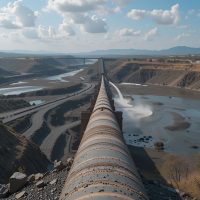
Tailings Management
Maximize water recovery. Reduce risk. Build safer facilities.
Safer tailings start with better water — and better water starts with better chemistry.
Better tailings management means less water lost, less risk carried, and more value recovered—supporting both ESG targets and operational efficiency.
In modern mining, tailings are no longer just waste. They represent one of the largest operational, environmental, and financial exposures a site faces. Managing them efficiently is now a strategic priority.
SNF supports every stage of the tailings lifecycle—from thickener to pipeline, from deposition to long‑term surface stability.
Recover more water, reduce freshwater dependence
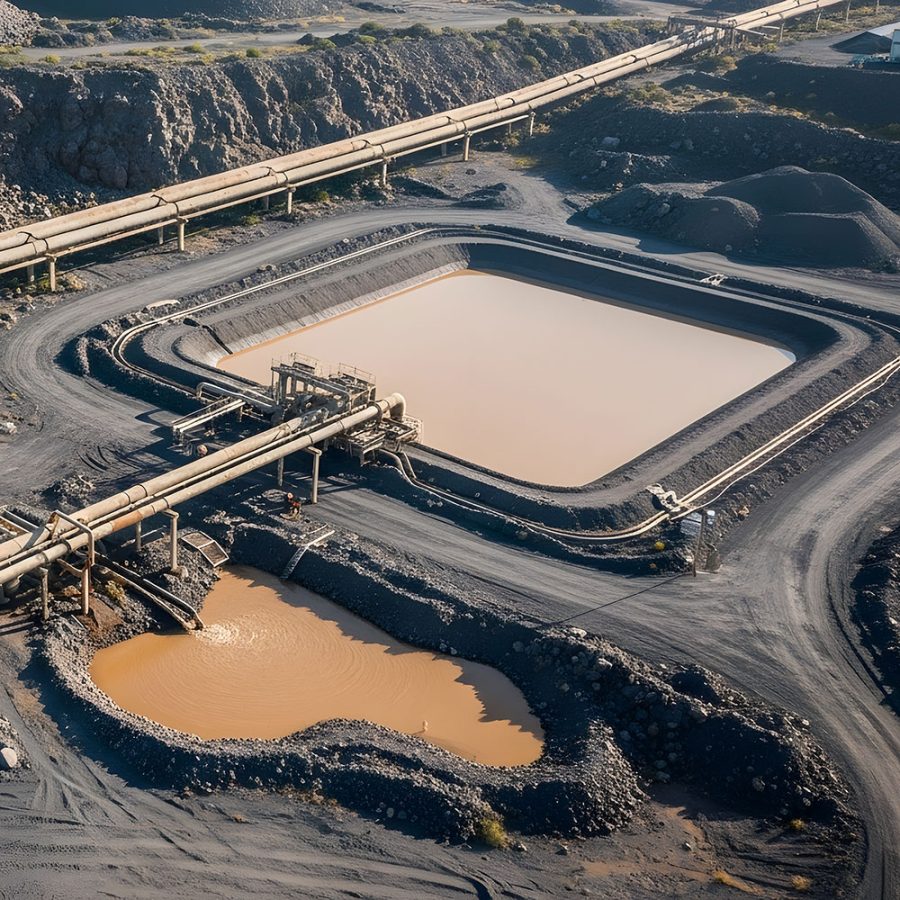
Water recovery starts at the thickener. When overflow clarity drops or underflow density is limited, the site pays twice: increased freshwater consumption and larger volumes sent to the tailings facility.
SNF strengthens separation performance by combining high‑performance flocculation with FLOMIN™ TFA and charge control with FLOQUAT™, helping stabilize settling, clarify overflow, and push higher‑density underflow.
Sites using advanced flocculation and charge control routinely report faster settling, cleaner overflow, and improved thickener stability.
Outcome: more process water recycled and a more resilient site water balance.
Reduce stored volume and enable dry stacking strategies
Every improvement in solids concentration reduces the footprint and long‑term burden of tailings storage. As sites transition toward paste thickening, filtration, and dry stacking, moisture becomes the main constraint.
SNF supports higher‑density deposition and secondary dewatering through FLOMIN™ TFA, while FLOMIN™ SAP improves handling when residues become sticky or prone to clogging. SAP also supports surface stiffening in wet deposits, enabling trafficability and more predictable consolidation.
This directly contributes to:
- Lower final moisture
- Reduced stored volume
- Delayed TSF expansion
Stabilize transport and deposition reliability
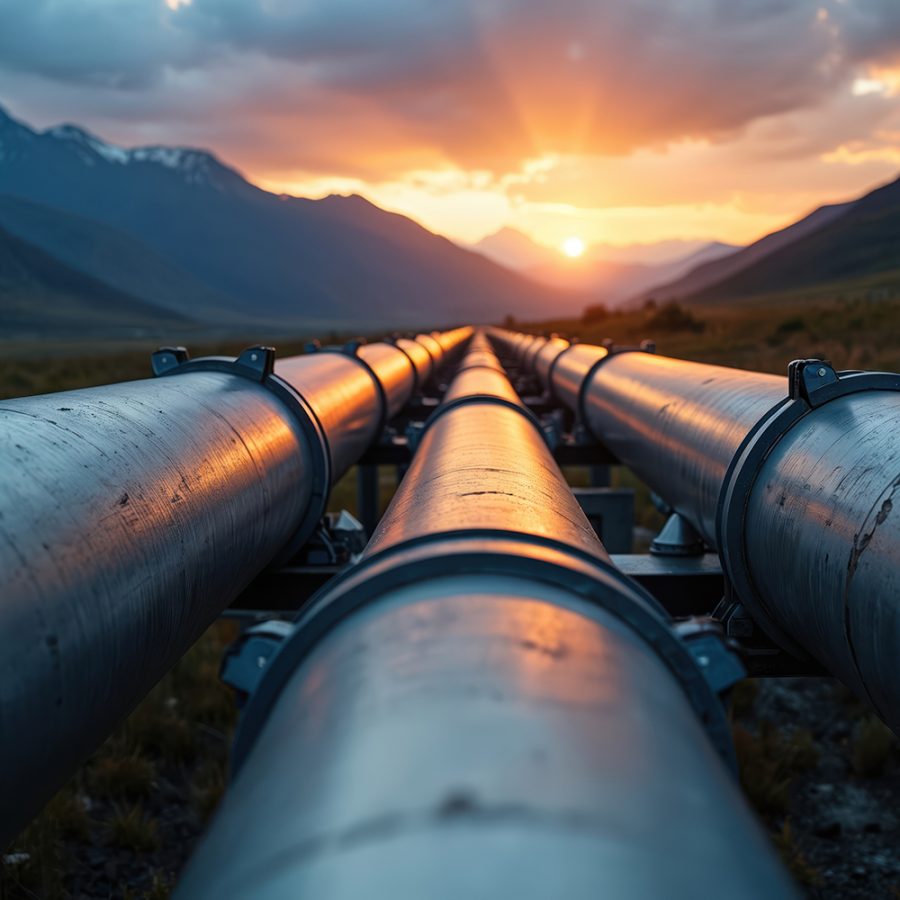
High‑density tailings only create value if they can be transported reliably. Instability in rheology leads to blockages, sedimentation, and unplanned stoppages.
With FLOMIN™ RMA, SNF helps control slurry viscosity and maintain steady flow behavior.
FLOSPERSE™ supports dispersion and scaling control in pipelines, while FLOMIN™ GDA reduces clay‑driven instability upstream.
This is especially critical when ore mineralogy changes, generating more fines and destabilizing the circuit.
Outcome: stable transport, fewer interruptions, and improved pumping efficiency under variable ore conditions.
Improve surface stability and dust control
Dry stacking introduces new environmental and safety exposures. Wind erosion, surface cracking, and unstable slopes can quickly degrade TSF performance.
SNF supports dust suppression with FLOMIN™ DCA, particularly on berms and dry stack slopes.
Where residues remain wet or tacky, FLOMIN™ SAP enhances surface consolidation.
FLOMIN™ FRA improves overflow stability when foam disrupts thickener operations.
This helps operations maintain:
Protect water quality and strengthen compliance
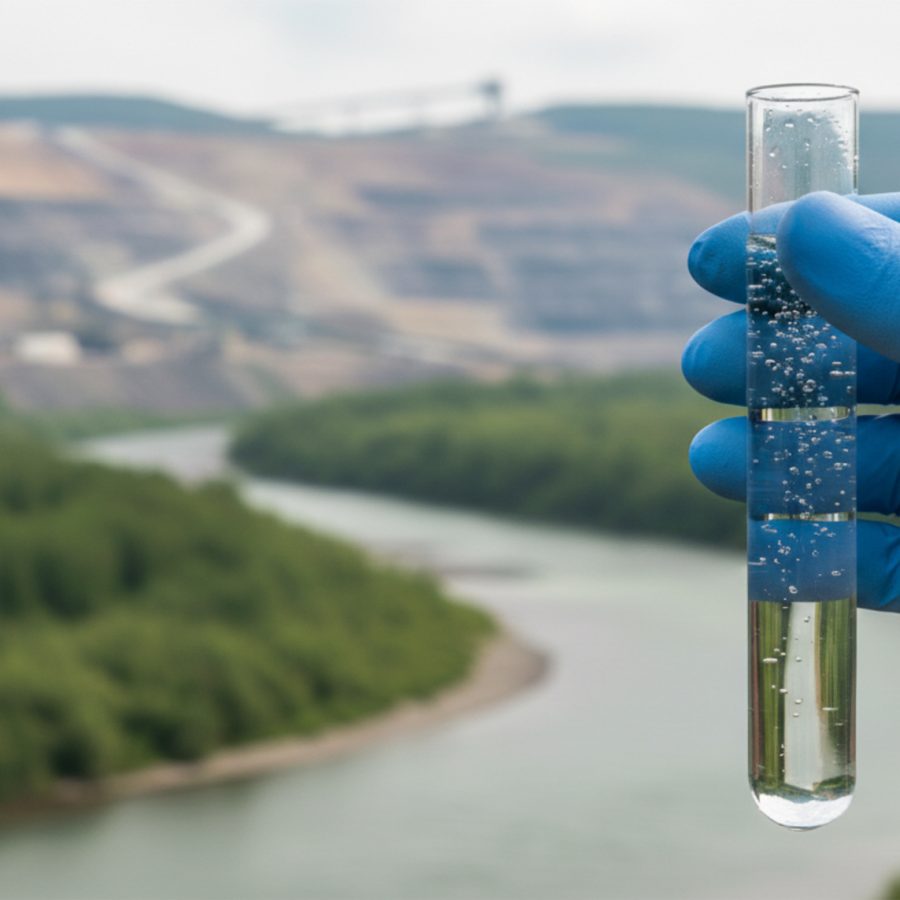
Tailings recirculation streams must remain usable for process reuse or compliant for discharge. Metal accumulation and fine solids increase regulatory pressure.
SNF enhances water quality through METALSORB™ for heavy‑metal capture, combined with FLOQUAT™ and FLOMIN™ TFA to improve clarification and sludge management.
By stabilizing return‑water quality, SNF helps sites protect circuits sensitive to contamination, reduce reagent consumption, and maintain predictable metallurgical performance.
Outcome: cleaner return water, lower environmental risk, and stronger long‑term compliance control.
Looking to improve thickening performance, reduce tailings volume, or move toward dry stacking?
Talk to SNF about your tailings strategy—and build a safer, more efficient, and more resilient facility.